Booking choice: The schooner day with lunch, from $146 per person. Check dates Tour details
The Parc national des Calanques was created on 18 April 2012, France's tenth national park. It covers 8,500 hectares of land and 43,500 of sea between Marseille, Cassis and La Ciotat, and gets 2 to 3 million visitors a year.
Most of its rules exist because of those numbers. Here is what they mean for a visitor, by boat and on foot, plus what the word calanque means and how to say it.
The quick answer
No, you don't pay to enter: the park is free and open around the clock, except on red fire-risk days. At sea, boats keep to 5 knots within 300 m of shore, jet skis are banned, and only authorised boats carry passengers. No boat may land on En-Vau beach, and none may anchor in En-Vau or Port-Pin. On land: no fires, no smoking, no camping, dogs on a lead, and a free Sugiton booking on busy summer days.
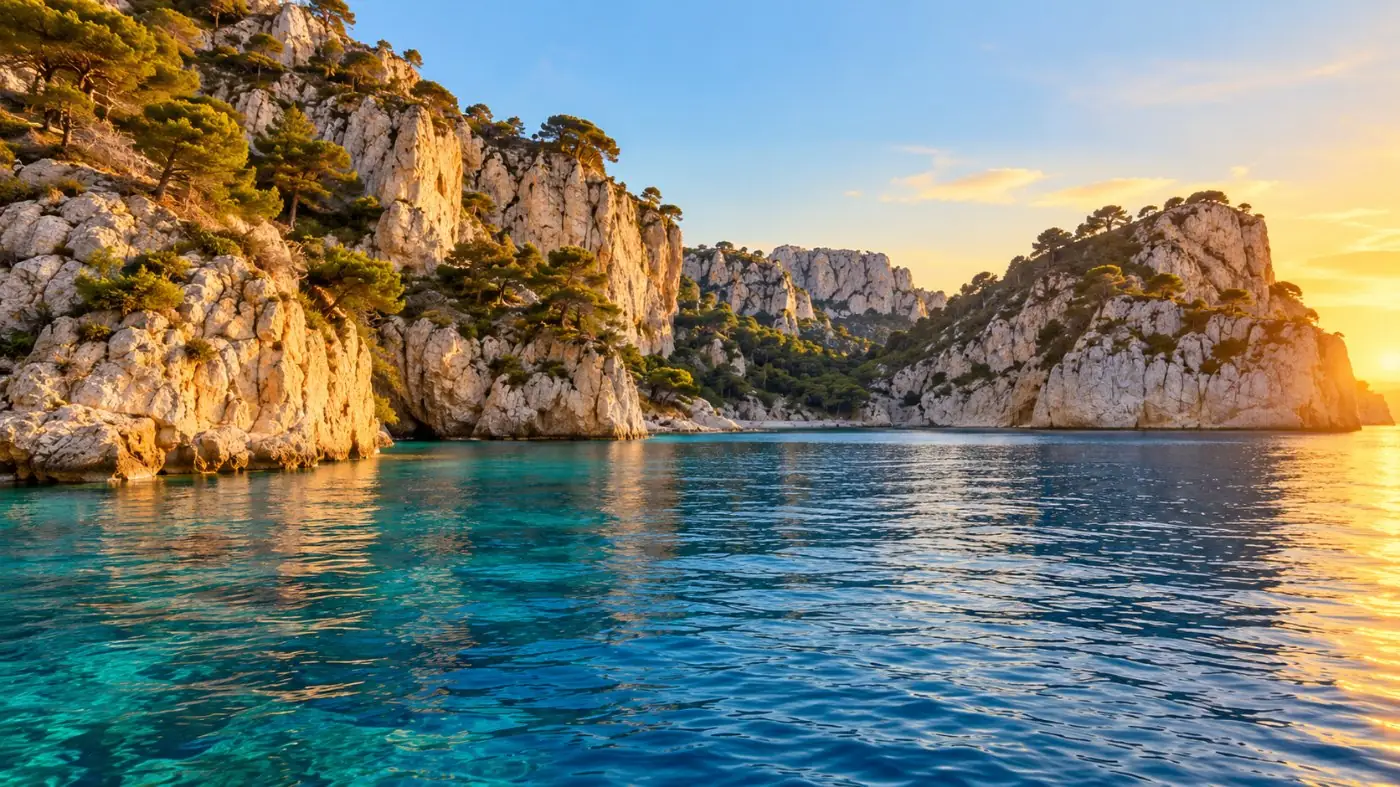
Do you have to pay to enter Calanques National Park?
No. Entry is free and the park is open 24 hours a day, every day, except when it closes for fire risk.
The park's FAQ says so directly. There are no gates and no tickets. What you pay for is getting there and getting around: a bus ticket, a parking space if you find one, a sea shuttle (€5), a Cassis port boat (€19 to €33 in 2026) or a tour.
Sugiton's summer reservation is free too. One listing, the picnic catamaran, names a "calanques tax" among its inclusions; that is an operator cost, not an entry fee for you.
What does calanque mean in French?
A narrow cove between steep rock walls. The word comes from Provençal calanco, from an old root, kal, meaning stone.
The park's page on place names traces it to Provençal calanco, a cove with steep sides, from the Indo-European kal (stone) and a Ligurian suffix for a steep slope, the same one as in avalanche. Geologically, a calanque is a river valley cut into limestone and drowned when the sea rose after the last ice age.
The names along the coast have meanings too:
| Name | Meaning |
|---|---|
| Port-Miou | From Portus melior, "best port": sheltered, used by Roman ships |
| Sormiou | Usually read as "better spring" |
| En-Vau | Vau means valley |
| Morgiou | From pre-Roman mor, height |
| L'Oule | Provençal for cauldron |
How do I pronounce Calanques?
Ka-LONK. The French is [kalɑ̃k]: stress the second syllable, nasal "on", and don't sound the -ques.
The plural sounds the same as the singular. Sormiou is "sor-MYOO", En-Vau "on-VOH" and Port-Miou "por-MYOO". Cassis is "ka-SEE": locals don't sound the final s, unlike the blackcurrant liqueur.
What are the rules for boats in the park?
5 knots within 300 m of shore, no jet skis or towed sports, and only park-authorised boats may carry passengers. Drones are banned over the whole park.
- Speed: 5 knots inside the 300 m strip, marked by yellow buoys. Nobody may tie up to a yellow buoy.
- Banned outright: jet skis, water-skiing, parasailing and other motorised towing.
- Passenger boats: only authorised operators, shown by a flag and an orange sticker on the hull. Look for the sticker if anyone offers you a ride off a beach.
- Big boats: vessels over 24 m may not anchor anywhere from Frioul to La Ciotat.
- Drones and model planes: banned over the park.
Why can't boats land or anchor at En-Vau?
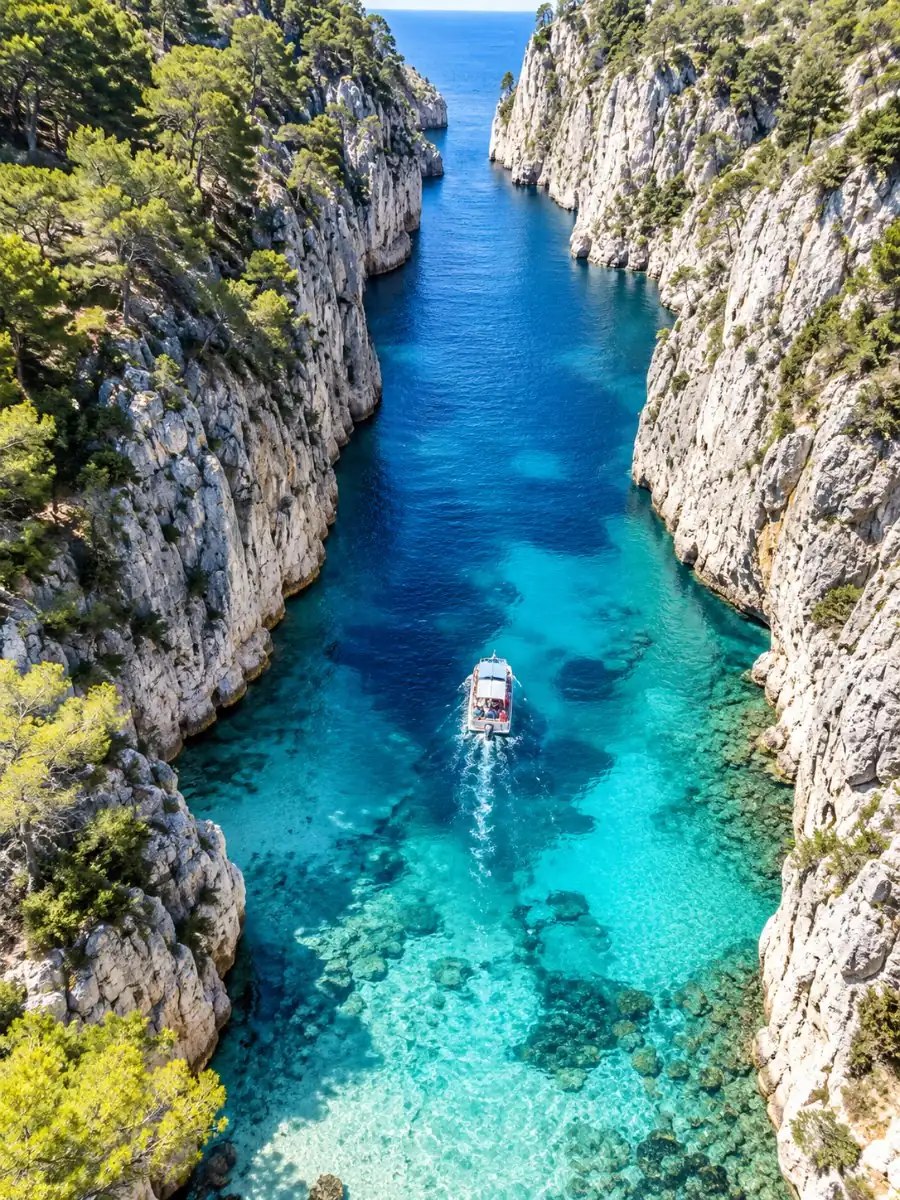
Because of crowding. Landing on En-Vau beach from a boat has been banned since the 2000s, and anchoring and drifting have been banned in En-Vau and Port-Pin since summer 2021.
Until the 1990s a ferry from Cassis put people straight onto En-Vau's beach. The park now counts about 1,000 people at once there at peak times, and the boats added to it. Landing went first. Then prefectoral orders in May 2021 banned anchoring and drifting in En-Vau and Port-Pin, with marker buoys laid that July. Sugiton and Marseilleveyre were named as next.
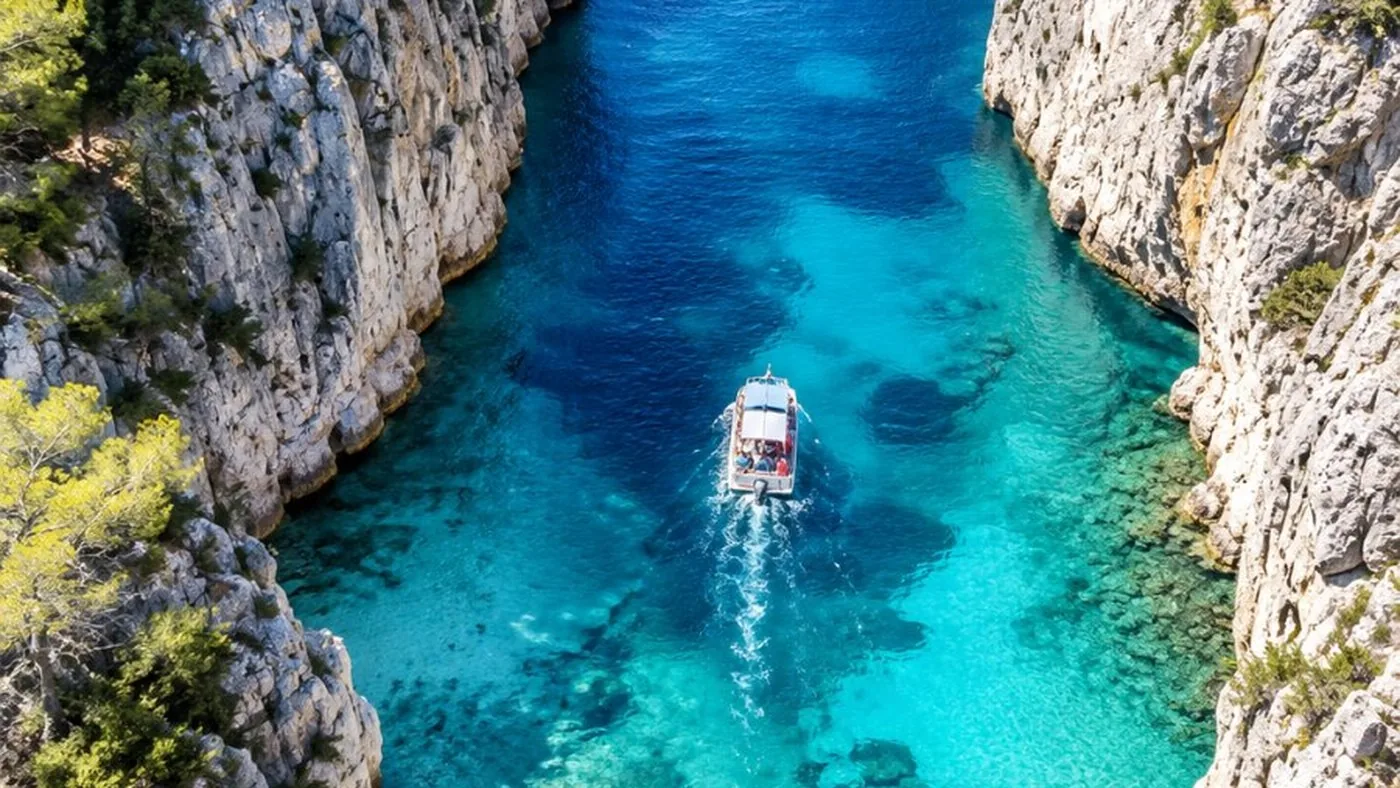
For you: the boats still enter En-Vau, slow down and show it to you. Swims happen in other coves and at the islands. The way to stand on that beach is to walk or to paddle in, which is what the paddleboard tour from Port-Miou does. See swimming in the calanques for where the boats do stop.
What are the no-take zones?
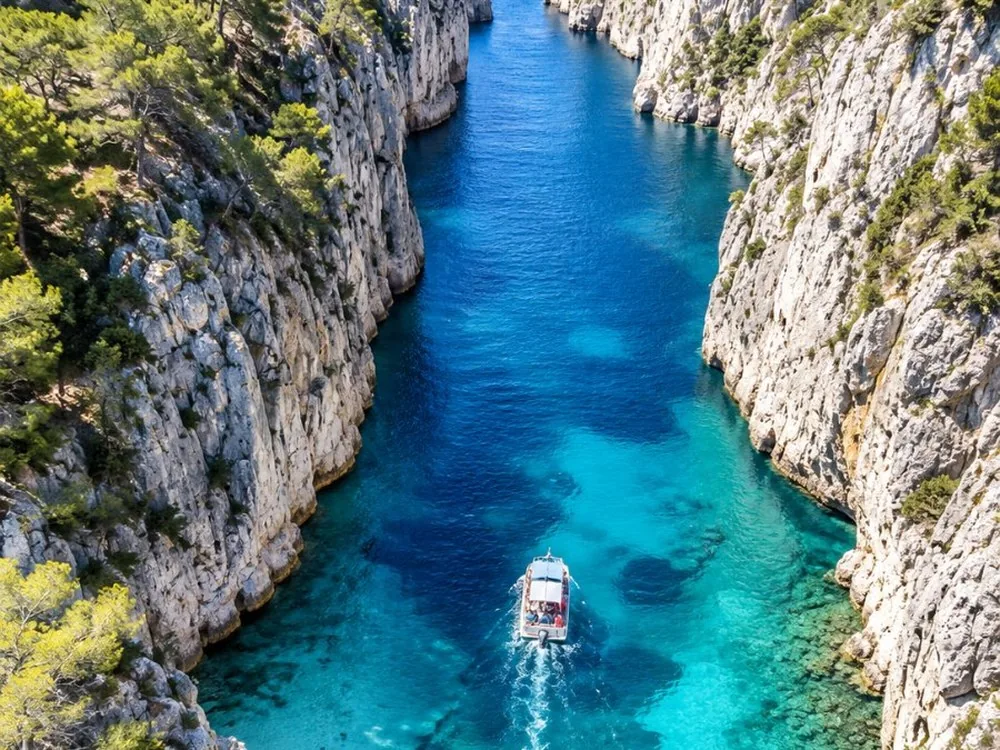
Seven zones covering about 10% of the park's sea where all fishing is banned, including the eastern half of the Riou archipelago.
Inside them no fishing of any kind is allowed, and some boundaries aren't marked on the water. Feeding or disturbing sea life is banned everywhere in the park. Around Riou, the "Cousteau triangle" also bans mooring and diving to protect underwater archaeology.
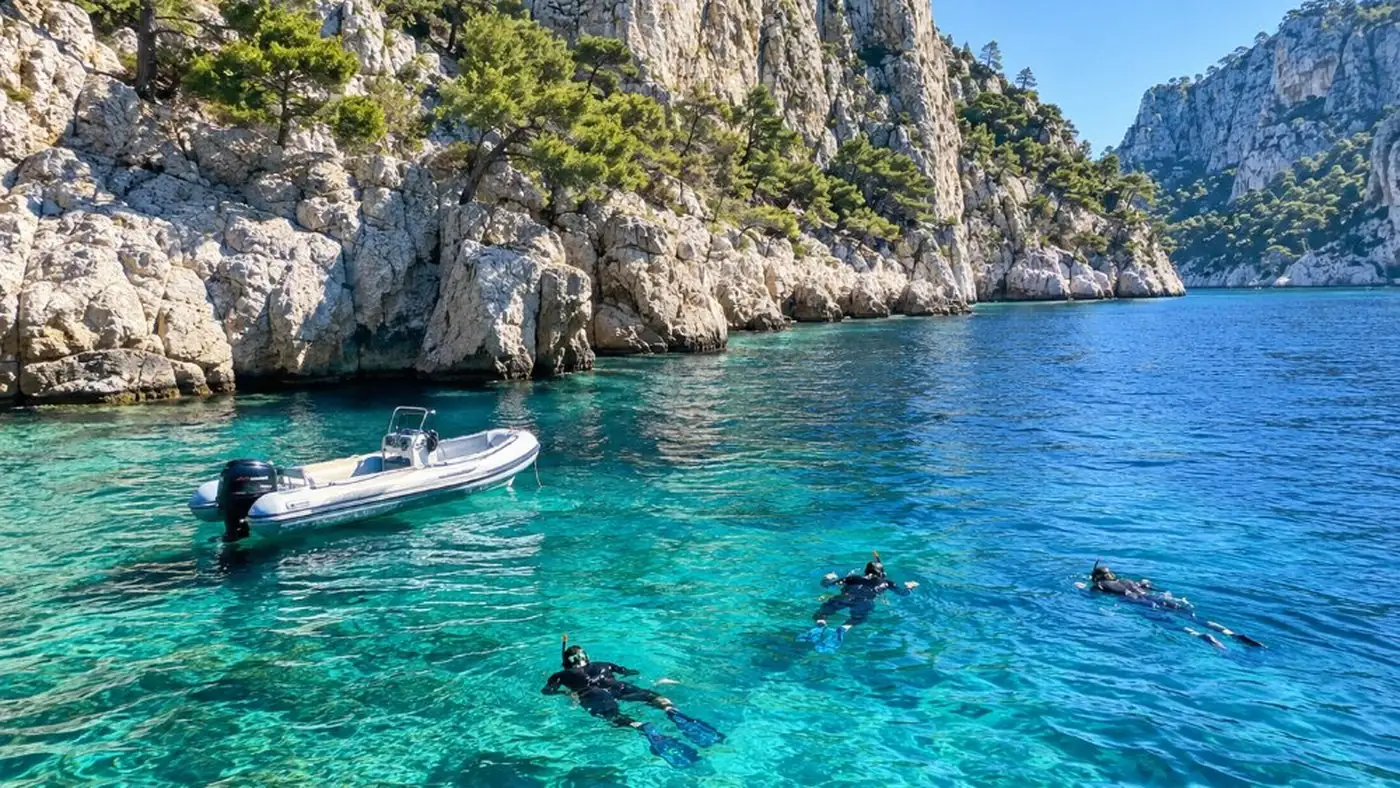
On the Riou islands you may land only on Riou itself, from sunrise to sunset, between the calanques of Fontagne and Monastério, and stay on the path. The rest is for nesting seabirds: Cory's and Yelkouan shearwaters, storm petrels and shags. The result is the clearest snorkelling in the park. The schooner day and the picnic catamaran both stop near Riou for a swim.
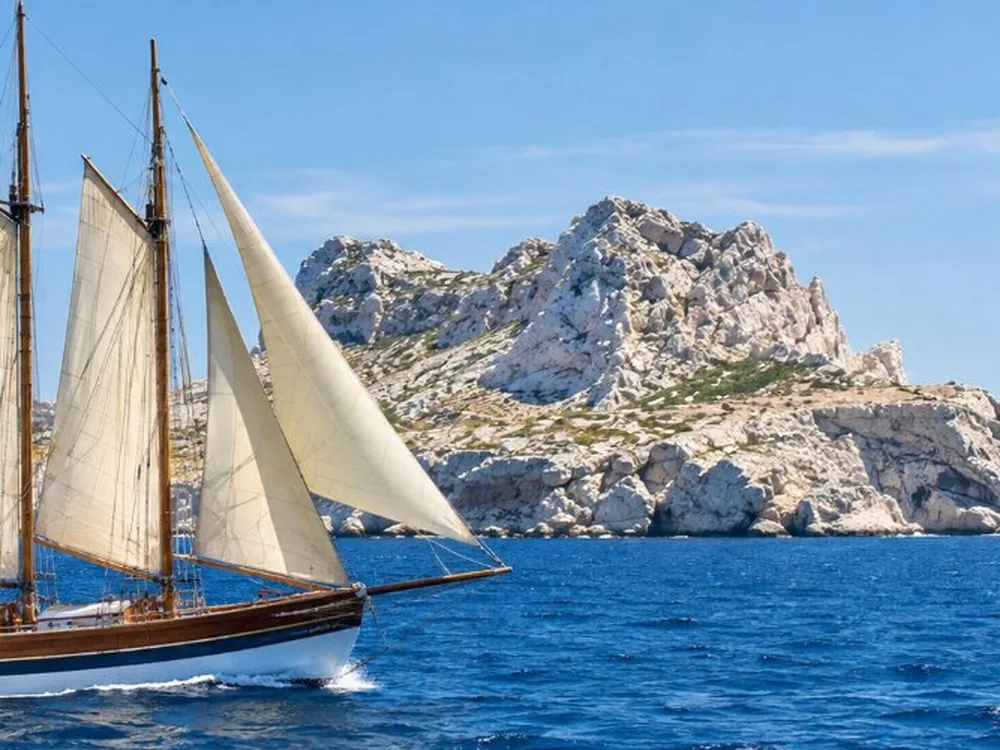
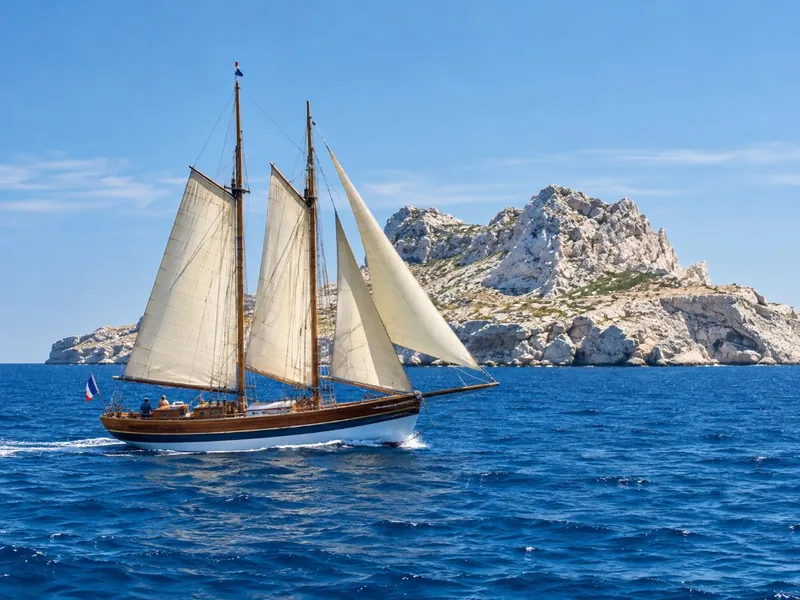
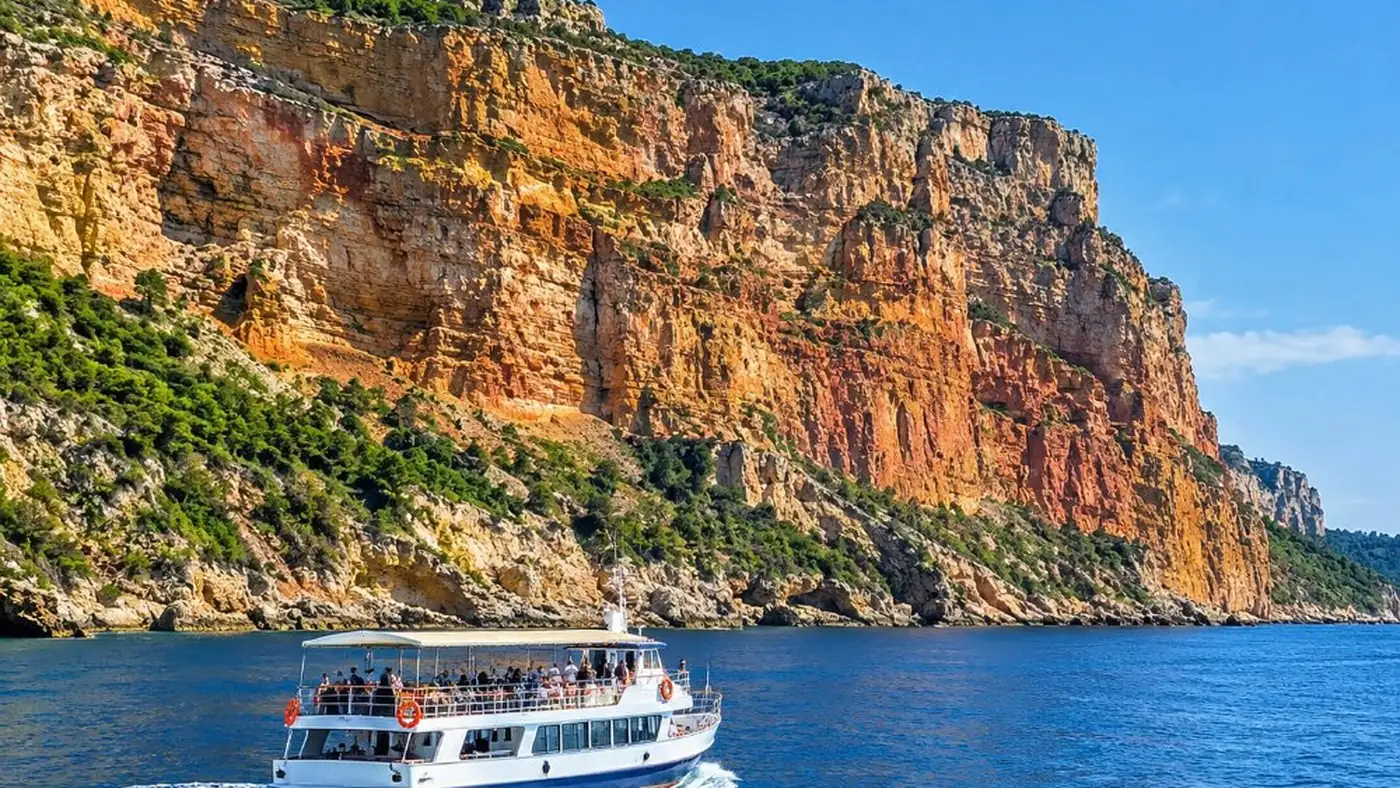
A day under sail through the Riou islands on a 1949 wooden schooner, with two swims and lunch on deck.
Explore the schooner day with lunch Tour detailsWhat happens on fire-risk days, and what else is banned on land?
From 1 June to 30 September the land can close the next day for fire risk. All year, fires, smoking, camp stoves and camping are banned, and dogs must be on a lead.
The fire-risk map comes out each evening between 17:00 and 18:00. On a red day nobody may enter the massif, and the Route des Crêtes above Cassis closes. Boat trips still run, but no one lands; the Frioul islands stay open. The fire-risk post covers the season.
- Fire, smoking, gas stoves: banned all year, fine €135.
- Camping and bivouac: banned all year, including roadsides through the core, fine €68.
- Dogs: allowed on a lead.
- Sugiton: free booking on busy summer days in 2026, capped at 400 a day. See the Sugiton post.
- Roads: Sormiou, Morgiou and Callelongue closed to cars by day in summer 2026.
On a red day the land shuts and the schooner still sails: a full day at sea with two swims.
Check dates for the schooner day with lunchIs Calanques National Park worth visiting?
Yes. It is one of the few national parks on the edge of a big city, and the rules are why it still looks the way it does.
The white cliffs, deep coves and islands are a short bus or boat ride from Marseille's centre. Plan around the rules and they barely get in the way: book the boat for July and August, walk in spring and autumn, and check the fire-risk map the evening before.
Our pick for a first visit is a boat. You see the most calanques for the least effort, and a red day doesn't stop you. For the ports, see the Calanques from Marseille.
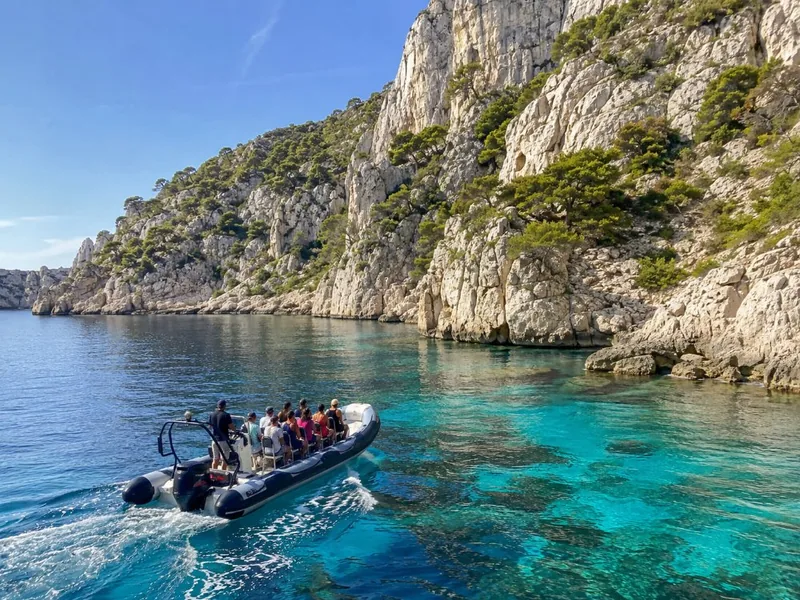
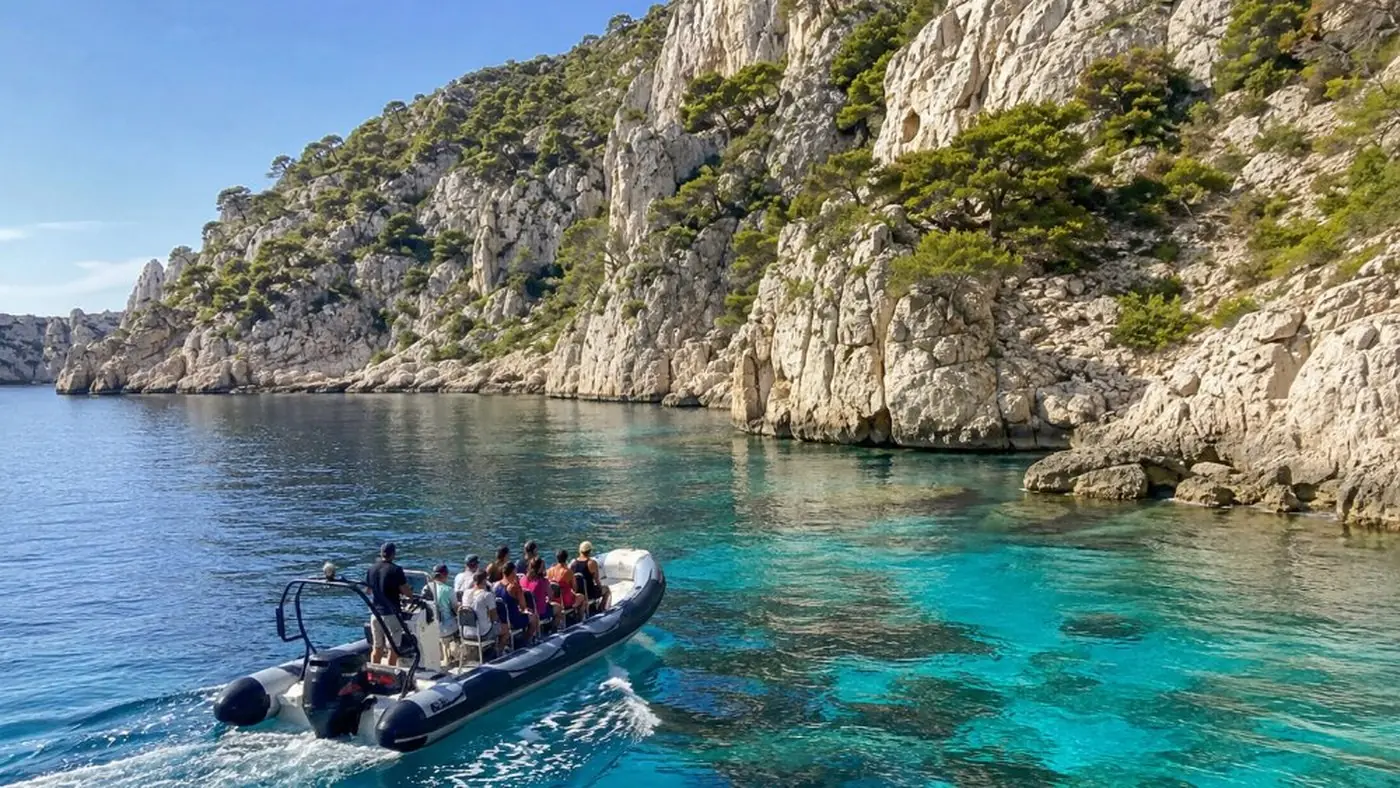
The easy first visit: a small-group boat from Marseille past the cliffs, with a swim in a calanque.
Explore the iconic calanques boat tour Tour detailsFrequently asked questions
Are dogs allowed in Calanques National Park?
Yes, on a lead. The Cassis port boats take dogs too, except category 1 and 2 dogs.
Can you camp in the Calanques?
No. Camping and bivouacking are banned all year in the park's natural areas, with a €68 fine per person.
Can I fly a drone over the Calanques?
No. Drones and model aircraft are banned over the national park.
Is there a fee for Sugiton?
No. The summer reservation for Sugiton is free; it caps visitors at 400 a day on the busiest dates.
Ready to book
Choose your boat
Free cancellation up to 24 hours before on every option. Prices are from-prices in USD and move with the season.
Calanques Sailing Day on a 1949 Schooner
- Day on a traditional wooden schooner
- Two swim stops with mask, snorkel and fins
- Coffee, an aperitif and a cold vegetarian buffet
Iconic Calanques Boat Tour with Swimming
- Small-group boat trip with a skipper
- Swim stop in a calanque, weather permitting
- Departure from Marseille, no transfer needed
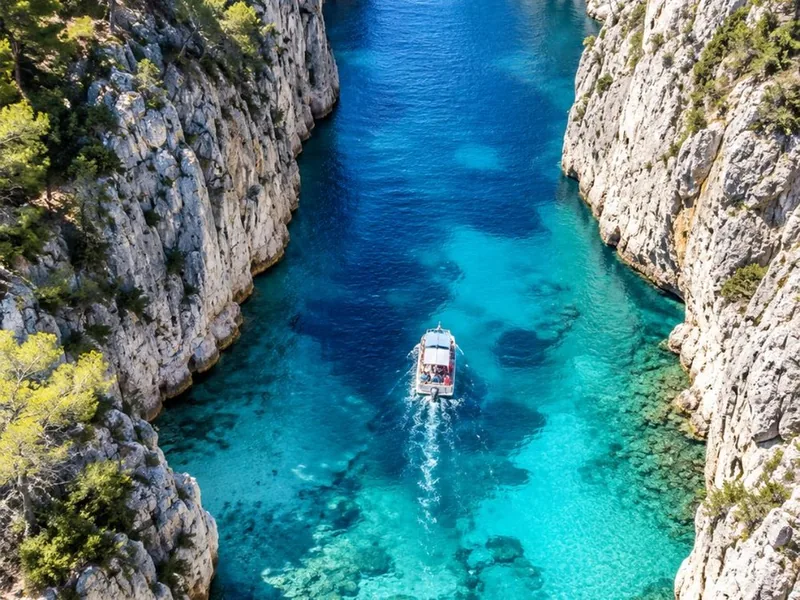
Paddleboard Tour from Port-Miou to En-Vau
Paddle into En-Vau yourself with a local guide